

.png)
Introduction
Linux, with its robust security features and a plethora of powerful open-source tools, is a preferred platform for cybersecurity professionals and enthusiasts. If you're just starting your journey into the world of cybersecurity, Linux can be an excellent choice. In this blog, we'll explore essential Linux tools tailored for cybersecurity beginners.
1. Wireshark
Wireshark is a renowned network protocol analyzer that allows you to capture and inspect network traffic in real-time. It's a valuable tool for understanding network communication and identifying potential security issues. To install Wireshark on Linux, use your distribution's package manager:
- shell sudo apt-get install wireshark
2. Nmap
Network Mapper, or Nmap, is a powerful network scanning tool used to discover open ports, services, and hosts on a network. It's an indispensable tool for vulnerability assessment and network reconnaissance. To install Nmap on Linux, use:
- shell sudo apt-get install nmap
3. GnuPG (GPG)
GnuPG is an essential tool for encrypting and decrypting files and emails, ensuring secure communication. It's a crucial component for anyone dealing with sensitive data in the cybersecurity field. You can install GnuPG with:
- shell sudo apt-get install gnupg
4. Aircrack-ng
Aircrack-ng is a toolkit for auditing wireless networks, making it ideal for testing the security of Wi-Fi networks. Beginners can use it to understand wireless security concepts and assess their home networks. To install Aircrack-ng:
- shell sudo apt-get install aircrack-ng
5. Hydra
Hydra is a versatile password-cracking tool capable of attacking various network protocols. While it should be used responsibly and ethically, it's a valuable learning tool for understanding password security. To install Hydra:
- shell sudo apt-get install hydra
6. OpenVAS
OpenVAS (Open Vulnerability Assessment System) is a robust vulnerability scanner that can identify security flaws in systems and networks. It provides detailed reports and is an excellent choice for learning about system vulnerabilities. To install OpenVAS, follow the instructions on the OpenVAS website, as it requires additional setup.
7. ClamAV
ClamAV is an open-source antivirus engine used for scanning files and emails for malware and viruses. It's a useful tool for ensuring the safety of your system and files. To install ClamAV:
- shell sudo apt-get install clamav
8. Nikto
Nikto is a web server vulnerability scanner designed to help you identify and remediate potential security issues in web applications and servers. To install Nikto:
- shell sudo apt-get install nikto
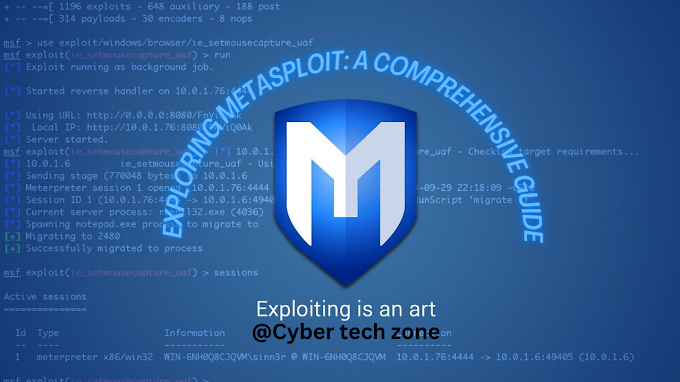
9. Metasploit Community Edition
Metasploit is a widely used penetration testing framework that enables you to discover and exploit vulnerabilities. The Community Edition offers a limited set of features but is an excellent choice for beginners to practice ethical hacking. You can download and install it from the Rapid7 website.
10. Snort
Snort is an open-source intrusion detection and prevention system (IDS/IPS) that can analyze network traffic and alert you to suspicious activities. Installing Snort requires some configuration, so consult the official documentation for guidance.
Conclusion
These Linux tools for cybersecurity beginners provide a solid foundation for exploring the exciting and vital field of cybersecurity. Remember that ethical and responsible use of these tools is essential. Always seek proper authorization before testing or scanning any network or system, and prioritize learning and understanding the underlying security concepts.
With continuous learning and practice, you'll build the skills and knowledge necessary to excel in the field of cybersecurity while using Linux as your trusted platform and these tools as your trusted companions. Happy learning and stay secure!


.png)
.png)
_11zon.jpg)
_11zon.jpg)